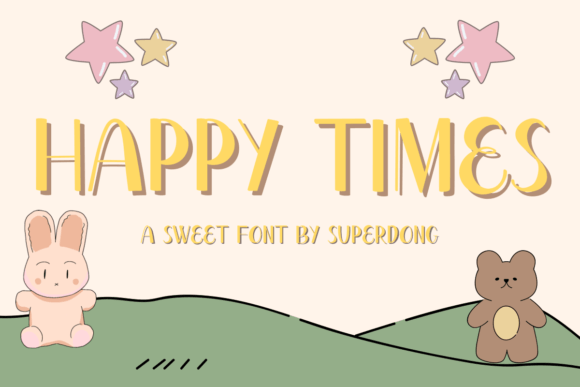
Happy Times: A Handwritten Font for Joyful, Authentic Design
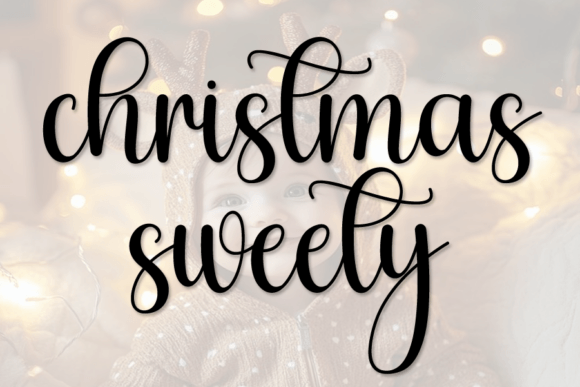
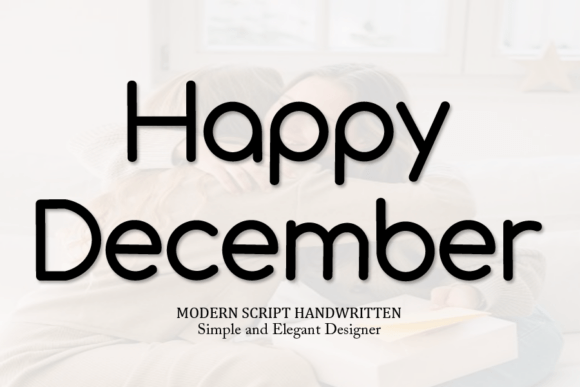
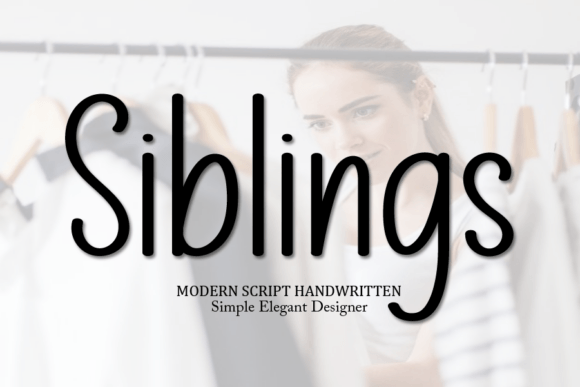
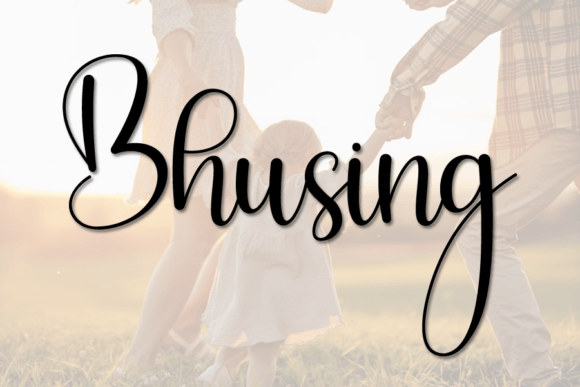
Sometimes, a project needs more than just clean lines and perfect geometry. It needs warmth, personality, and a human touch that digital precision can't quite capture. That's where a font like Happy Times enters the picture. As a sweet and friendly handwritten display font, it brings an immediate sense of approachability and fun to any design. Its cute, playful character makes it a standout choice for projects that aim to feel personal, inviting, and full of life. Think of the hand-lettered sign at your favorite local café, the charming text on a child's birthday party invitation, or the engaging header on a lifestyle blog. Happy Times is crafted to evoke that same feeling of genuine connection and lighthearted joy.
Where a Playful Typeface Truly Shines
The real value of a creative font like this is its versatility across different media. It's not just for one type of project; it's a tool for injecting personality wherever it's needed. For small business owners and entrepreneurs, it can become a core part of a brand's visual identity, especially for businesses targeting families, children, or offering handmade, artisanal products. Imagine a bakery using it for its logo and menu, or a children's clothing boutique for its hang tags and website banners. The font immediately communicates a friendly, approachable brand personality before a customer even reads the words.
For content creators and marketers, Happy Times is a powerful asset for social media graphics and digital marketing. In a sea of sterile, corporate-feeling posts, a hand-lettered style header on an Instagram story or a Pinterest pin can stop the scroll. It adds a layer of authenticity and relatability that resonates with audiences looking for real connection. Bloggers can use it for post titles and pull quotes to break up text and add visual interest, making their content more engaging and easier to read. It works beautifully for creating eye-catching quotes, announcements, and call-to-action buttons that feel personal rather than pushy.
Beyond the digital realm, its applications in print are equally compelling. Wedding stationers and event planners will find it ideal for crafting beautiful, heartfelt invitations, save-the-dates, and thank-you cards. Its sweet demeanor sets the perfect tone for celebratory occasions. For educators and students, it offers a fantastic way to make learning materials more engaging. Teachers can create fun worksheets, classroom posters, and reward certificates that students actually enjoy looking at. Students can use it for school projects and presentations to add a creative flair that demonstrates effort and personality.
Matching Typography to Your Project's Heart
Choosing the right font style is a critical design decision. It's about more than aesthetics; it's about communication. The style of typography you select should align with the message and emotion of your project. A handwritten display font like Happy Times communicates informality, creativity, warmth, and approachability. It would be a perfect fit for a brand selling organic baby food, a yoga instructor's website, or a podcast about creative living. Conversely, it might not be the best choice for a law firm's annual report or a financial services brochure, where a more traditional serif or sans serif font would convey stability and professionalism.
A key practice in professional design is testing font pairings. Happy Times, as a strong script font, pairs well with clean, simple typefaces. A classic sans serif font like Montserrat or Open Sans for body text provides a beautiful contrast, allowing the playful headers to pop without sacrificing readability for longer paragraphs. You could also pair it with a sturdy serif font for a more eclectic, editorial look. The goal is to create a visual hierarchy where the display font captures attention for headlines, and the complementary font handles the heavy lifting of information. Always test your pairings at different sizes to ensure they remain harmonious and legible across all your intended uses, from a tiny social media icon to a large printed poster.
Building a Cohesive and Recognizable Brand Identity
For any business or personal brand, visual consistency is non-negotiable. Using the same set of fonts across your logo, website, packaging, and marketing materials creates a cohesive look that builds brand recognition over time. When a customer sees your distinctive handwritten style on a product tag, then recognizes it again in your Instagram ad, and later on your website, it reinforces your brand's identity in their mind. Happy Times can serve as a signature element of that identity, making your brand feel instantly recognizable and memorable.
This consistency extends to improving the professional presentation of your work. A well-chosen font system that includes a fun display font like Happy Times, paired with a reliable body font, shows thoughtful design consideration. It elevates a simple document or social post into a polished piece of communication. This attention to detail signals quality and care to your audience, which can significantly boost engagement and trust. People are more likely to interact with and purchase from brands that present themselves cohesively and professionally.
When working with any premium font, it's essential to review the full character set and licensing. A quality font family will often include multiple styles, such as regular, bold, and italic, as well as a comprehensive set of glyphs, punctuation, and language support. This gives you greater flexibility in your designs. Furthermore, always ensure you understand the commercial licensing terms. Most fonts purchased from reputable marketplaces include a license for commercial use, allowing you to use the font in projects you sell, like merchandise, digital products, or client work. This is a crucial step for any designer or business owner to avoid legal issues down the line.
Ultimately, typography is a fundamental part of visual storytelling. A font like Happy Times offers a specific voice—joyful, authentic, and friendly. By thoughtfully integrating it into your design toolkit, you can create work that doesn't just look good, but also feels right, connecting with your audience on a more human level and leaving a lasting, positive impression.