Sweety Moonlight: A Handwritten Font for Authentic Branding
You know that feeling when a design just clicks? It’s not the fanciest element or the most complex layout—it’s something simpler. Often, it’s the typography. A font can carry the entire emotional weight of a project, whispering a story before a single word is read. If you’re chasing that authentic, human touch for your work, a script font like Sweety Moonlight might be the quiet hero you’ve been overlooking.
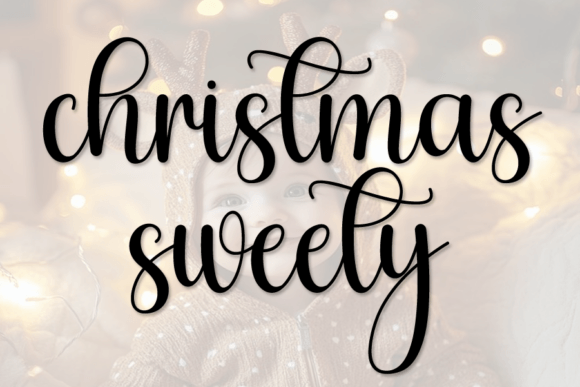
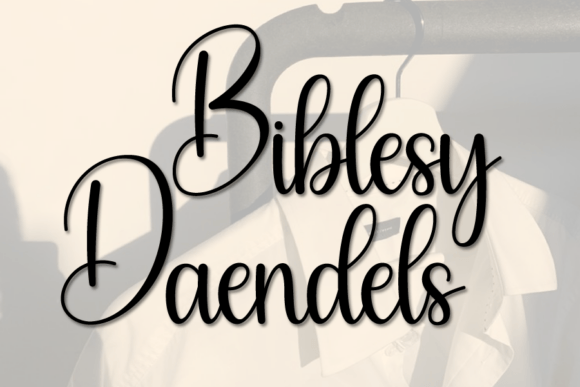
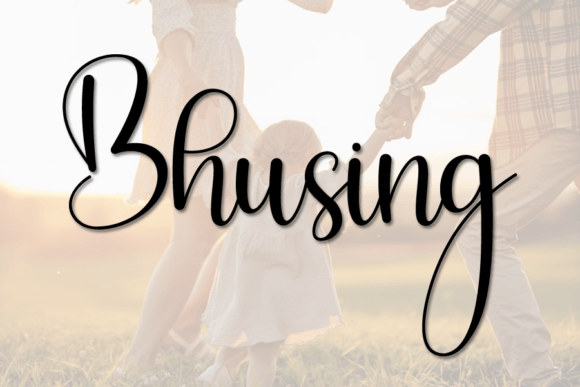
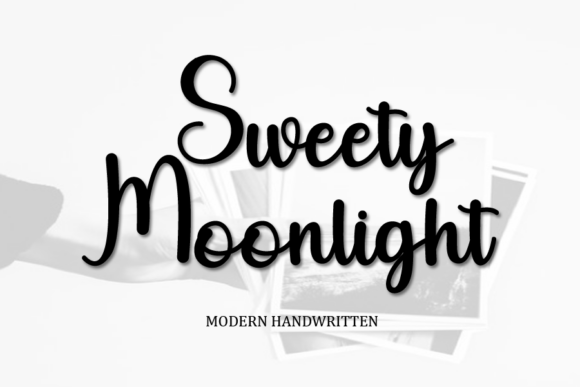
This typeface isn’t about rigid perfection. It’s a classic, simple handwritten script with a random, free-spirited style. Think of the natural flow of a quick note or a heartfelt signature—that’s its essence. It’s designed to feel personal, not mechanical, which is exactly why it resonates in a world saturated with polished, corporate visuals. For designers, entrepreneurs, and creators, it offers a bridge between professionalism and approachability.
Capturing a Mood: Where Personality Meets Purpose
Every font has a personality. Sweety Moonlight’s is warm, casual, and gently expressive. Its slightly uneven baseline and organic letterforms avoid the sterile feel of many digital scripts. This makes it a fantastic display font or headline font where you want to grab attention with a human vibe rather than a shout. It’s the kind of typeface that feels like it was made for your project, not just applied to it.
Consider its application in logo design. A boutique bakery, a handmade jewelry brand, or a lifestyle blog could use this script font to instantly communicate care and craftsmanship. In packaging design, it can make a product feel artisanal and special, turning a simple label into a story. For social media graphics, it cuts through the noise, adding a personal, relatable tone to quotes, announcements, or Instagram stories that a standard sans serif font might lack.
Practical Applications Across Creative Projects
The versatility of a well-crafted script font is its greatest strength. Sweety Moonlight isn’t a one-trick pony; it’s a design asset that can adapt to numerous contexts, helping you maintain a cohesive visual language across different platforms.
- Brand Identity & Corporate Stationery: Use it for business cards, letterheads, or thank-you notes to add a signature touch that reinforces your brand’s personal approach.
- Editorial & Print Design: It shines in magazine headlines, book chapter titles, or poster layouts, especially for themes related to music, romance, or creativity. Pair it with a clean serif or sans serif font for body text to ensure readability.
- Digital Products & Marketing: From website headers and blog post titles to email newsletter graphics and digital invitations, it helps create a consistent and engaging visual experience. It’s also perfect for merchandise like T-shirts, mugs, or tote bags, where a bold, handwritten statement is key.
- Special Projects: Think wedding invitations, greeting cards, or even YouTube and Instagram thumbnails. Its friendly style is ideal for content that aims to connect on an emotional level.
Smart Typography: Pairing and Readability
Using a creative font like this effectively requires a bit of strategy. The goal is to harness its charm without sacrificing clarity. Readability considerations are paramount, especially for longer text. Sweety Moonlight is best used for headlines, logos, and short phrases. For body copy, always choose a highly legible complementary typeface—a simple sans serif or a classic serif font works beautifully.
Testing font pairings is a non-negotiable step. Try combining Sweety Moonlight with a geometric sans serif like Montserrat for a modern contrast, or with a traditional serif like Garamond for a more elegant, timeless feel. See how they interact in size, weight, and spacing. The handwritten script should accent, not compete. This process of matching typography to your project’s goals ensures your final design feels balanced and professional.
From Concept to Final File: Making It Work for You
When you review the included font styles, you’ll likely find alternates, swashes, or ligatures. These are secret weapons for customization. Swashes can add a flourish to initial letters, while alternates let you change the look of specific characters to avoid repetition in a logo or headline. Experiment with them to make your text feel unique.
Finally, a crucial practical note: always consider commercial licensing. If you’re using Sweety Moonlight for a client project, merchandise for sale, or any commercial enterprise, ensure you have the correct license. This protects you legally and supports the font creators who make such valuable design assets possible. It’s a small but essential part of professional practice.
Ultimately, choosing a typeface like Sweety Moonlight is about more than just aesthetics. It’s a decision to infuse your work with a specific mood—to make it feel handmade, genuine, and inviting. In the right context, that feeling can transform a good design into one that truly connects. So, the next time your project calls for a dose of authenticity, consider letting a script with a little random, free-spirited style lead the way.