Transit: The Slanted Serif for Nighttime Design
There are fonts that whisper, and there are fonts that scream. Then, there are typefaces like Transit—they don’t just speak; they project across a skyline. If you’ve ever walked through a rain-slicked metropolis at midnight, watching neon signs blur into streaks of light, you’ve felt the energy this typeface embodies. It is not merely a collection of letters; it is an atmosphere. For designers and brand builders looking to inject a sense of cinematic motion and high-octane drama into their work, this display font offers a solution that is as bold as it is elegant. It captures that specific intersection of luxury and futurism, making it a powerful tool for anyone trying to make a statement.
Anatomy of Motion: The Visual Language
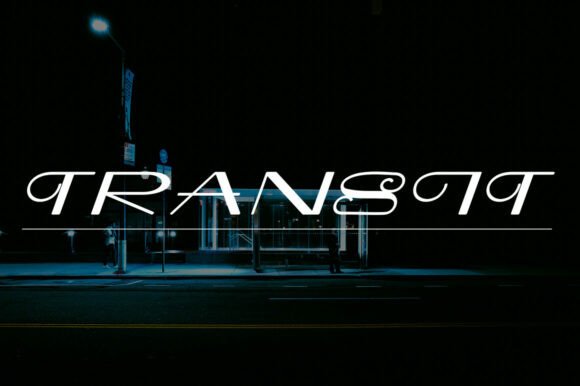
What makes Transit so arresting? It’s the contradiction in its DNA. At first glance, the extreme slant suggests speed—a forward-leaning italic that feels like it’s racing toward the finish line. But look closer, and you see a sophisticated blend of classic and experimental design choices. You’ll notice the "T" and the "R" don't abandon their roots; they feature sharp, traditional serifs that ground the typeface in a sense of history and reliability. However, the "S", "I", and "T" break free with elongated decorative swashes and experimental terminal loops that defy gravity.
This creates a "dramatic disorientation." It feels familiar enough to be legible, yet strange enough to be mesmerizing. It’s a premium font choice for projects where a standard sans serif feels too clinical and a standard serif feels too dusty. It bridges the gap, offering the structure of a serif with the aerodynamic flair of a modern script. If your brand identity relies on being avant-garde, sleek, or edgy, this visual language speaks your dialect fluently.
The Cinema of Branding: Where This Typeface Shines
While this font is a natural fit for film titles and video game interfaces, its utility in the commercial world is vast. The key is understanding that Transit is a "high-impact" asset. It is designed for the spotlight, meaning it works best in environments where it has room to breathe and command attention.
Consider the world of luxury branding. A high-end nightclub, a bespoke tailor, or a modern architectural firm needs a visual identity that feels exclusive. Using this typeface on a business card or a website header immediately signals that the brand is confident and contemporary. It works beautifully for:
- Editorial Design: Magazine covers and fashion spreads often rely on type that feels "expensive." The elongated swashes of this font mimic the elegance of high-fashion photography.
- Music and Entertainment: For concert posters or album art, especially in genres like synthwave, electronic, or modern jazz, the font captures the rhythm and energy of the sound.
- Packaging Design: Imagine this typeface on a matte black box for a premium spirit or a luxury candle. It elevates the unboxing experience before the product is even seen.
- Social Media Graphics: In a scrolling feed, you have seconds to stop a thumb. The extreme slant and unique loops act as a visual hook, making static images feel like moving pictures.
Strategic Pairing and Readability
Because Transit is so stylistic, using it effectively requires a bit of strategy. As a rule of thumb for modern typography, "heavy" fonts like this should rarely be used for body copy. Reading 100 words in an extreme slant with decorative swashes can cause eye fatigue. The magic happens in the hierarchy.
To maintain visual consistency and readability, you need to pair this creative font with something quiet. Think of it as a lead singer and a rhythm section. The headline (Transit) grabs the mic, while the body text (a clean sans serif or a simple serif) keeps the beat.
Here are a few practical pairing tips:
- The Modern Minimalist: Pair Transit with a geometric sans serif (like Montserrat or Futura). The clean lines of the sans serif will highlight the intricate details of the display font without competing for attention.
- The Editorial Classic: Pair it with a neutral text font like Georgia or Garamond. This balances the futuristic slant of the headline with the reliability of traditional print typography.
- Spacing Matters: Because of the swashes on the 'S' and 'T', you may need to adjust your kerning (letter spacing) manually in your design software. Give the tails of the letters room to exist so they don't crash into the following characters.
From Concept to Commercial Asset
When integrating a new typeface into your toolkit, it’s not just about aesthetics; it’s about utility. Transit is a versatile design asset, but like any powerful tool, it requires the right context.
If you are a small business owner launching a new product line, consider using this font for the "hero" section of your landing page. It establishes the mood immediately. For content creators and marketers, it is excellent for "quote cards" or "announcement" graphics where you want a single sentence to carry the weight of the entire post.
It is also worth exploring the specific styles included with the font family. Often, premium fonts come with variations—perhaps a standard weight and an inline or shadow version. Knowing which style fits your specific medium (e.g., using a bolder weight for small merchandise prints and a lighter weight for large digital banners) ensures your brand recognition remains consistent across all touchpoints.
Ultimately, choosing a font like Transit is a decision to step away from the safe and the generic. It is for the designer who wants to create an experience, not just a layout. Whether you are designing a futuristic interface, a dramatic poster, or a logo that needs to feel like it’s moving at the speed of light, this typeface provides the visual engine to get you there. It proves that typography doesn't just hold words—it holds energy.