Storm Fighter: Unleashing Gothic Power in Modern Design
Every designer hits that moment where a project demands something beyond the standard sans-serif or elegant script. You’re working on a concept for a high-octane video game, a gritty streetwear brand, or perhaps a metal band’s merchandise, and the typography just isn’t hitting hard enough. Standard fonts feel too polite. You need something with edge, history, and an aggressive presence that commands attention. That is exactly where the Storm Fighter typeface enters the conversation, bridging the gap between medieval calligraphy and modern graphic design.
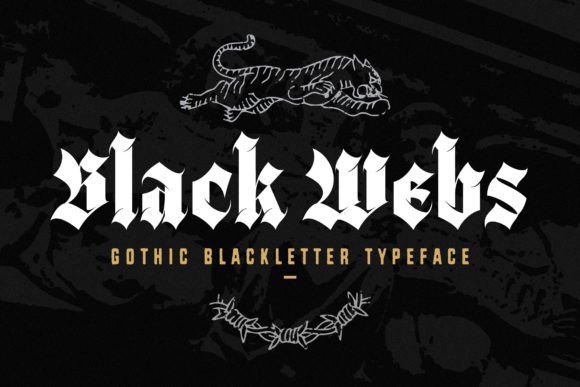
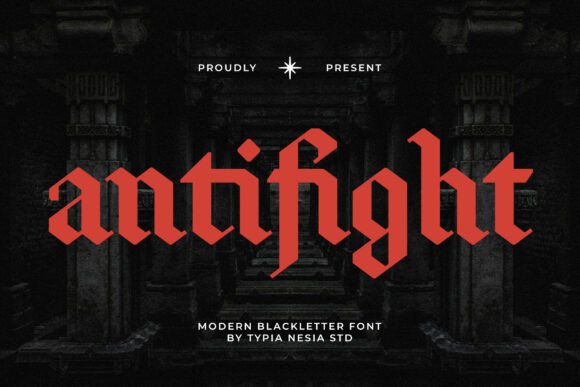
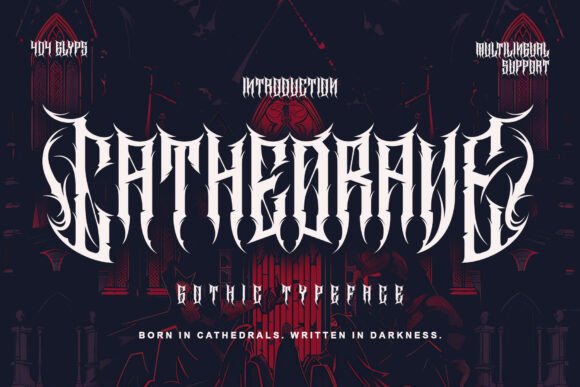
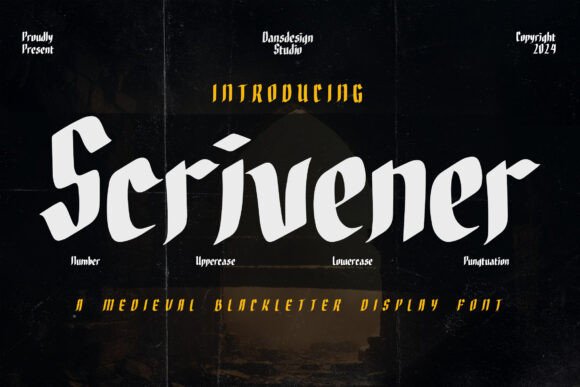
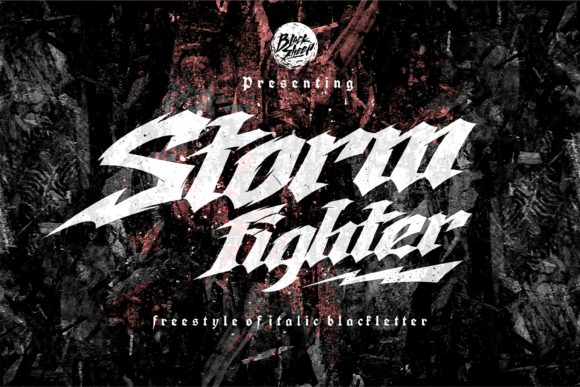
At its core, Storm Fighter is a freestyle blackletter font, but describing it merely as "gothic" doesn't do it justice. It carries a mysterious, almost ominous weight that is perfect for specific visual narratives. If you have ever tried to use a traditional Old English font, you might have found it a bit stiff or overly ornamental. Storm Fighter takes that classic structure and loosens it up, giving it a freestyle flow that feels more organic and less rigid. It is the kind of typeface that feels like it was carved out of stone or drawn with a heavy marker, making it an incredibly versatile tool for creative projects ranging from horror themes to high-end branding.
The Aesthetic: More Than Just Old English
Understanding the visual personality of a typeface is the first step in using it effectively. Storm Fighter isn't just about sharp edges; it’s about atmosphere. The font features the high contrast and intricate details typical of blackletter styles, yet it maintains a legibility that is often lost in similar designs. This makes it a standout choice for logo design where the brand name needs to be the hero of the composition.
Consider the difference between a sans serif font and a display font like Storm Fighter. A sans-serif is utilitarian; it gets the job done with minimal fuss. Storm Fighter, however, is performative. It tells a story before the reader even processes the words. For a tattoo artist, this font mimics the natural flow of ink on skin. For a sword action game cover, it evokes the steel and struggle of the battlefield. It provides that "premium font" feel without the associated cost of custom lettering, offering a professional foundation for brand identity.
Practical Applications: From Screen to Print
The true value of a creative font lies in its adaptability. You don't want a one-trick pony that only works for Halloween flyers. Storm Fighter has a versatility that spans across various mediums, provided you understand how to harness its energy.
For packaging design, particularly in the beverage or streetwear industries, Storm Fighter can instantly elevate a product. Imagine a craft beer label or a hot sauce bottle; the gothic aesthetic implies intensity and flavor. In editorial design, it works beautifully for drop caps or magazine headers, adding a dramatic flair to layout spreads. It is also highly effective for social media graphics where you have only a split second to stop the scroll. The jagged, bold silhouette of Storm Fighter cuts through the noise of a busy feed.
- Merchandise: T-shirts, hoodies, and hats benefit from the font’s rugged look.
- Invitations: Perfect for themed events, escape rooms, or mystery parties.
- Digital Products: Use it for YouTube thumbnails or podcast covers to signal intensity.
- Signage: Great for shop fronts that want to project a vintage or rebellious vibe.
Mastering Font Pairing and Readability
One of the most common pitfalls in modern typography is overusing a display typeface. Storm Fighter is a heavy, complex font. If you set an entire paragraph in it, your audience will struggle to read it, and the impact will be lost. The key to using a blackletter font effectively is pairing it with something that provides contrast.
Since Storm Fighter is a gothic font with high visual density, it pairs exceptionally well with clean, geometric sans serif fonts. Think of it like a heavy metal band with a lead singer and a rhythm section. Storm Fighter is your lead singer—loud, distinct, and commanding. Your sans-serif is the rhythm section—holding it all together and ensuring the message is clear. For example, using a light-weight Helvetica or Montserrat for body text allows the headers in Storm Fighter to pop without overwhelming the viewer.
When testing your pairings, pay attention to scale. Storm Fighter often works best when used larger. If you are designing a website, consider using it for the H1 headers or hero section text, but switch to a more neutral serif font or sans-serif for the navigation and body copy. This ensures your web design remains accessible while retaining its unique character.
Strategic Branding with Edge
For entrepreneurs and small business owners, typography is a silent ambassador for your brand. Choosing a font is a strategic decision that signals who you are and who you are talking to. Storm Fighter is not the right choice for a corporate law firm or a pediatric dentist, obviously. But for niche markets, it is gold.
If you are in the business of action sports, gaming, heavy metal music, or artisan crafts with a rugged edge, this typeface helps build immediate brand recognition. It tells your audience, "We are intense, we are skilled, and we are different." It helps improve visual consistency across your marketing assets. When your logo, your Instagram posts, and your product labels all utilize the same strong gothic aesthetic, you create a cohesive world that customers want to be part of.
Furthermore, the professional presentation of your materials is crucial. A poorly chosen default font can make a business look amateur. Using a specialized display font like Storm Fighter shows that you have invested thought into your visual identity. It adds a layer of credibility that generic fonts simply cannot provide.
Navigating Licensing and Technicals
Before you download and install any design assets, it is vital to understand the rules of engagement. Most premium fonts come with specific licensing agreements. While Storm Fighter is available for various uses, you need to ensure your license matches your usage. Are you using it for a personal blog, or are you printing it on 10,000 t-shirts to sell? These are different use cases that often require different levels of licensing.
Always review the included font styles. Does the file include multiple weights or stylistic alternates? Some blackletter fonts include swashes or ligatures that can add extra flair to your typography. Take the time to explore the character map. You might find special glyphs that turn a standard word into a piece of art.
Finally, test the font on the actual medium you intend to use. A font that looks great on a high-resolution monitor might lose detail when embroidered on a cap or printed on rough cardboard. Run a test print or a mockup to ensure the ink doesn't bleed and the edges remain sharp.
Final Thoughts on Typography as a Tool
Typography is not just about filling space with letters; it is about evoking emotion and guiding the viewer’s eye. Storm Fighter is a potent tool for the right project. It brings a level of audience engagement that passive fonts cannot match. It demands to be read. It forces the viewer to pay attention to the texture and style of the letters, not just the words they form.
Whether you are designing a logo for a new startup, laying out a gritty magazine spread, or creating a poster for a local event, keep this typeface in your toolkit. It bridges the gap between historical script and modern edge, offering a unique voice in a sea of standard typography. Use it wisely, pair it correctly, and let your designs do the fighting.