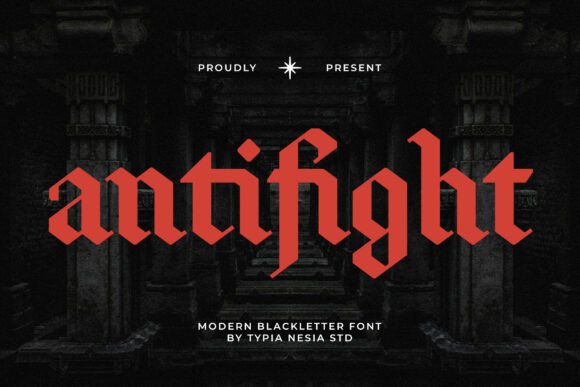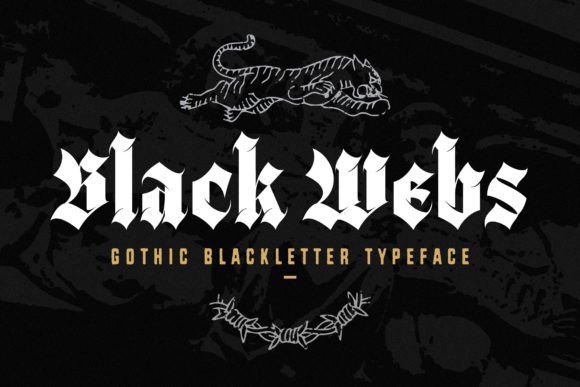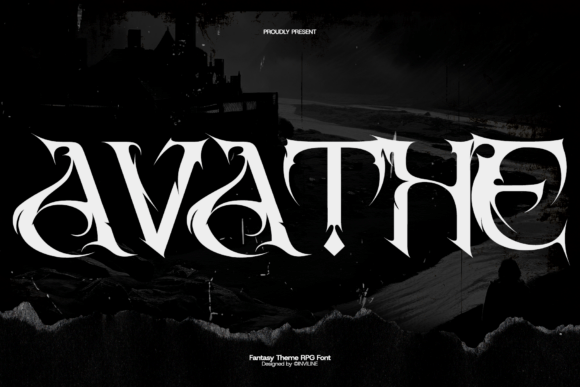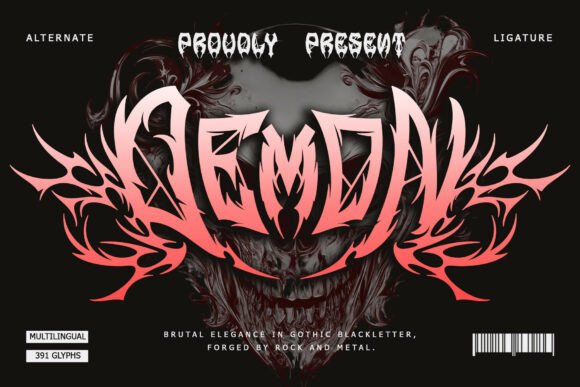
Scrivener: The Blackletter Font with Medieval Soul
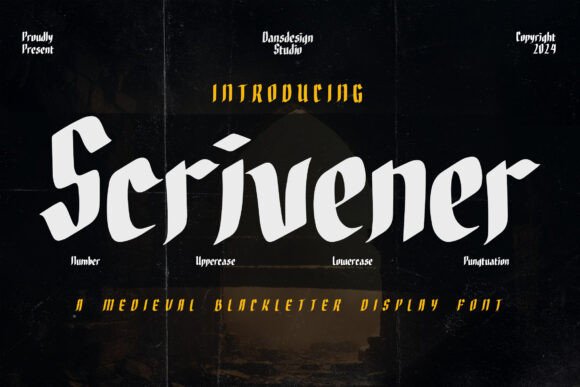
There's something undeniably powerful about a font that carries centuries of history in its strokes. Scrivener, a bold blackletter display font inspired by medieval manuscripts and gothic scripts, does exactly that. With sharp edges, ornate strokes, and a timeworn feel, this typeface brings historical gravitas and vintage mystique to modern projects. If you've ever wanted to evoke the atmosphere of ancient scrolls, gothic cathedrals, or dark fantasy realms, Scrivener delivers that old-world aesthetic with striking authenticity.
Where Gothic Typography Meets Modern Design Needs
Blackletter fonts have always occupied a unique space in design. They're dramatic, unmistakable, and packed with visual personality. Scrivener takes this tradition and refines it for contemporary use, making it a practical choice for designers, entrepreneurs, and creators who need a font that commands attention without sacrificing usability. Unlike some overly decorative blackletter typefaces that become illegible at smaller sizes, Scrivener maintains its sharp character while remaining functional across various applications.
What sets Scrivener apart from other display fonts is its balance between ornamentation and structure. The letterforms feature the thick-to-thin contrast and angular construction typical of gothic scripts, but with careful attention to spacing and proportion. This means you can use it confidently for headline text, logos, and branding elements where impact matters most. The font works particularly well when you want to establish a specific mood—whether that's mystery, tradition, rebellion, or sophistication.
Practical Applications That Actually Work
Let's talk about real-world uses rather than abstract design theory. Scrivener excels in scenarios where you need typography to do heavy lifting in setting tone and atmosphere. Fantasy book covers are an obvious fit, but the font's versatility extends much further than that.
Logo design and brand identity benefit enormously from Scrivener's distinctive character. If you're building a brand around craft brewing, artisanal products, tattoo studios, historical fiction, or any business that leans into heritage aesthetics, this typeface gives your visual identity instant depth. It pairs beautifully with simpler sans serif fonts for body text, creating a hierarchy that feels both intentional and visually compelling.
Packaging design is another area where Scrivener shines. Think about craft whiskey labels, specialty coffee bags, handmade soap packaging, or artisanal chocolate boxes. The font communicates quality and craftsmanship before a customer even reads the product description. Its medieval roots suggest careful production and attention to detail—exactly the message premium brands want to convey.
For social media graphics and digital content, Scrivener works wonderfully as a headline or accent font. Instagram posts, YouTube thumbnails, podcast artwork, and promotional banners all benefit from typography that stops the scroll. The font's dramatic presence makes it ideal for announcements, event promotions, or any content where you want immediate visual impact in a crowded feed.
Making Scrivener Work in Your Design System
Using a display font like Scrivener effectively requires some strategic thinking about font pairing and hierarchy. Because blackletter typography is inherently bold and detailed, it works best when balanced with cleaner typefaces for supporting text. A classic sans serif or a simple serif font for body copy creates the contrast needed for Scrivener to stand out without overwhelming the viewer.
Consider these practical pairing approaches:
- Scrivener + Clean Sans Serif: This combination works for web design, posters, and social media where you need dramatic headers with readable body text.
- Scrivener + Simple Serif: Ideal for editorial layouts, book covers, and print materials where you want a cohesive historical feel throughout.
- Scrivener + Script Font: Use sparingly for invitations, event materials, or branding that needs both drama and elegance.
Readability should always guide your font choices. Scrivener performs best at larger sizes where its intricate details can be appreciated. For extended reading, always pair it with a more legible typeface. This isn't a limitation—it's how display fonts are designed to function. Think of Scrivener as the headline act and your supporting font as the reliable backup that carries the everyday communication.
From Digital Products to Print Materials
The versatility of a premium font like Scrivener becomes apparent when you start mapping it across different project types. Digital products such as downloadable planners, themed worksheets, or fantasy RPG materials gain immediate visual character with this typeface. Game designers can use it for title screens, chapter headings, or in-game signage. Content creators developing merchandise—t-shirts, mugs, stickers, posters—find that Scrivener's bold presence translates effectively to physical products where impact matters.
For print applications, the font works beautifully on event invitations, especially for themed weddings, Halloween parties, renaissance fairs, or any gathering where atmosphere is everything. Restaurant menus, particularly for establishments with medieval, gothic, or rustic themes, benefit from Scrivener's ability to set the mood before food arrives at the table. Even business cards for specific industries—tattoo parlors, vintage shops, craft distilleries—can leverage this typography to make a memorable first impression.
Web design and blog layouts present another opportunity. Using Scrivener for section headers, pull quotes, or featured content titles adds visual interest and personality to otherwise standard layouts. The key is restraint—using the font strategically rather than everywhere, which would diminish its impact and potentially hurt readability.
Choosing the Right Font for Your Project Goals
Before committing to any typeface, ask yourself what story you're trying to tell. Scrivener communicates specific associations: history, tradition, darkness, craftsmanship, mystery, and authority. If those align with your brand values or project theme, it's worth exploring. If your project calls for something light, minimal, or ultra-modern, a different font family would serve you better.
Testing is essential. Download the font, experiment with different sizes, colors, and backgrounds. See how it looks on both light and dark surfaces. Check how it renders on different screens if you're designing for digital use. Print a test page if you're working on physical materials. These small steps prevent costly revisions later and ensure your typography supports rather than undermines your overall design.
Also pay attention to the font styles included with Scrivener. Many premium fonts come with alternate characters, ligatures, or stylistic variations that expand your creative options. Understanding what's available in the package helps you maximize the font's potential and create more varied, interesting designs without needing additional typefaces.
Finally, always verify the commercial licensing terms before using any font in client work or products for sale. Understanding what's permitted—whether for personal projects, commercial use, or specific media—protects you legally and ensures your design assets are properly sourced. This attention to professional detail separates serious designers and business owners from those who cut corners.
Scrivener isn't just another blackletter font collecting digital dust in your font library. It's a purposeful design tool for projects that need historical weight, dramatic presence, and authentic gothic character. Used thoughtfully, it transforms ordinary designs into memorable visual experiences that resonate with audiences who appreciate craft, tradition, and bold creative choices.