Spring Tiles: A Typeface That Plays with Purpose
There's a particular magic to the moment a game box opens. The scent of new cardboard, the satisfying weight of wooden pieces, the crisp snap of shuffled cards—it's a ritual of potential. For designers and creators, capturing that feeling of strategic play and thoughtful engagement in a visual brand is a unique challenge. You need something that feels both intelligent and inviting, structured yet full of personality. This is the space where Spring Tiles lives and breathes.
More Than Letters: A System of Visual Strategy
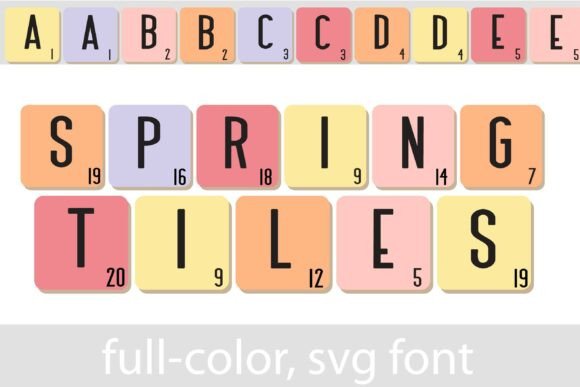
At first glance, Spring Tiles is a display typeface that commands attention with its clean, condensed letterforms. But look closer, and you'll discover its true character. Each glyph is framed within a subtle, hand-drawn "game tile," complete with integrated point values reminiscent of classic word or strategy games. This isn't just a decorative flourish; it's a foundational design concept. The font carries an inherent narrative of play, learning, and intellectual challenge. It bridges the nostalgic warmth of tabletop games with a crisp, modern aesthetic, making it a versatile tool for projects that need to communicate both cleverness and approachability.
The visual appeal lies in this duality. The structural weight is balanced and professional, ensuring legibility even at larger sizes for headers or logos. Yet, the rhythmic, hand-drawn frames inject a layer of tactile humanity, preventing it from feeling sterile. This combination makes it a premium font choice for anyone building an identity around creativity, education, or community-focused entertainment.
Where Thoughtful Design Meets Real-World Projects
So, where does a typeface with this much personality actually fit? The answer is anywhere you want your audience to pause, engage, and feel like they're part of something designed just for them.
For Branding and Identity: Imagine the logo for a local board game cafe, a tutoring center, or a creative workshop space. Spring Tiles instantly sets a tone that is welcoming, smart, and community-oriented. It tells customers, "This is a place for focused fun and collaborative thinking." Paired with a simple sans serif font for body text, it creates a dynamic and memorable brand identity system.
In the Digital Realm: Social media is crowded. A header or graphic set in Spring Tiles stops the scroll. Its unique frames make text-based posts look like collectible game pieces, perfect for promoting a new blog post, announcing an event, or sharing a motivational quote. For websites, use it sparingly for key headers or call-to-action buttons to inject personality without sacrificing the readability of your main content, which should rely on a sturdy serif font or clean sans serif.
Print and Packaging: Think beyond the screen. This typeface shines on product packaging for educational games, artisanal goods with a playful twist, or event posters for trivia nights and book clubs. It can elevate a simple tote bag or notebook into a desirable piece of merchandise. For editorial design, like a magazine feature on modern hobbies or a book cover for a puzzle mystery, it adds a compelling thematic layer.
Building a Cohesive and Engaging Visual Language
Choosing a display font like Spring Tiles is a strategic decision that can significantly strengthen your visual communication. Here’s how it translates into tangible benefits:
- Instant Brand Recognition: The font's distinctive "game tile" frames are a powerful mnemonic device. Once seen, they're hard to forget, helping your audience instantly identify your content in a feed or on a shelf.
- Enhanced Audience Engagement: The playful, intellectual personality invites interaction. It suggests a game or a challenge, which can increase click-through rates on social media or time spent on a webpage. People are drawn to things that feel clever and intentional.
- Professional Thematic Consistency: Using Spring Tiles across your logos, headers, and key graphics creates an immediate visual throughline. It signals that every detail of your project has been considered, building trust and a polished presentation.
Practical Tips for Implementation
Adopting a character-rich font like this requires a bit of thoughtful pairing and application. Here’s some practical advice to get the best results.
Font Pairing is Key: Let Spring Tiles be the star of the show. Pair it with a neutral, highly readable typeface for longer blocks of text. A geometric sans serif or a classic serif will provide a clean counterpoint, ensuring your overall design remains balanced and accessible. Avoid pairing it with other ornate or handwritten fonts that will compete for attention.
Context is Everything: Consider your audience and project goals. Spring Tiles is perfect for a children's museum, a language learning app, or a podcast about game design. It might be less appropriate for a corporate law firm or a luxury watch brand. The font's personality should align with the message you need to convey.
Test for Readability: Always test your designs at the intended size and in the intended medium. The integrated frames are part of its charm, but ensure the core letterforms remain legible, especially at smaller sizes. Use it for headlines, logos, and short phrases where its details can be fully appreciated.
Understand Your License: If you're using Spring Tiles for commercial projects—whether it's client work, merchandise, or marketing materials—ensure you have the appropriate commercial font license. This protects both you and the font creator and is a standard part of professional design practice.
Ultimately, Spring Tiles is more than just a creative font; it's a design asset with a built-in story. It offers a way to communicate strategy, warmth, and intellectual curiosity visually. For the designer, the small business owner, or the content creator looking to build a brand that feels both smart and deeply human, it provides a unique and powerful tool. It doesn't just spell out words; it invites your audience to play.