Arcade Blast: Capturing the 80s Arcade Vibe in Your Modern Designs
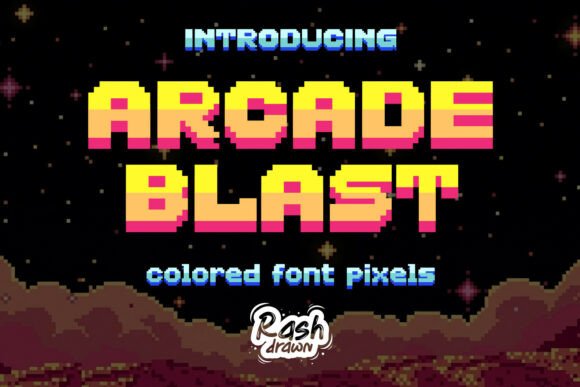
There is a specific electricity associated with the glow of a CRT monitor in a dimly lit room, the sound of digital coins dropping, and the vibrant, blocky typography that defined the golden age of gaming. For designers working today, tapping into that nostalgia requires more than just choosing a standard pixel font; it requires capturing the light and color of that era. This is where the unique appeal of high-quality OpenType-SVG color fonts comes into play, specifically a typeface designed to emulate the authentic, glowing gradients of retro arcade machines without the need for complex layering or manual coloring in post-production.
The "Instant Color" Advantage for Modern Workflows
One of the biggest hurdles in digital design is efficiency. We have all been there: you find a perfect blocky typeface for a YouTube thumbnail or a stream overlay, but then you have to spend twenty minutes applying gradients, adding stroke effects, and masking layers to get that "lit up" neon look. A true color font changes this workflow entirely. Because the color data is embedded directly into the font file via OpenType-SVG technology, you simply type your message, and the vibrant, retro gradients appear instantly. This is particularly valuable for content creators and social media managers who need to produce high-volume assets—like Instagram stories or Twitch alerts—quickly while maintaining a high-end aesthetic.
However, visual appeal is only half the battle. A typeface must also be functional. While the primary draw here is the pixel-perfect aesthetic with built-in gradients, the utility of the font extends to its versatility. It is not merely a decorative image; it is a functional typeface that includes a comprehensive character set. From uppercase and lowercase letters to numbers and punctuation, it is built to handle real messaging. Furthermore, the inclusion of multilingual support means that this aesthetic isn't locked behind an English-only barrier. Whether you are designing for a local retro gaming tournament or an international streetwear drop, the typography can adapt to the linguistic needs of the project.
Practical Applications: From Branding to Streetwear
When we talk about "retro" design, it is easy to fall into the trap of making things look dated. The goal of modern retro design is to use vintage visual cues to evoke specific feelings—excitement, energy, and fun—while maintaining a contemporary polish. This specific typeface style is exceptionally well-suited for several distinct industries and applications.
Game Branding and Streaming: The obvious application is within the gaming industry. For indie developers, using this style for in-game UI elements or marketing key art can immediately signal the genre and tone of the game. For streamers, consistency is key. Using this font for overlays, subscriber alerts, and "Starting Soon" screens creates a cohesive brand identity that viewers recognize instantly.
Merchandise and Streetwear: The 80s and 90s aesthetic is a staple in modern fashion. Streetwear brands often utilize bold, blocky typography to make a statement. This font works exceptionally well on dark backgrounds for t-shirts, hoodies, and caps. Because it captures the look of a screen print or a digital readout, it translates well to physical merchandise where a bold, high-contrast graphic is required.
Event Promotion and Editorial Design: Think about posters for synth-wave nights, retro gaming conventions, or even children's birthday parties. The visual weight of a pixel font grabs attention on a busy poster. In editorial layouts, such as magazine spreads or blog headers, these fonts can be used as drop caps or pull quotes to break up the monotony of standard body text (like a serif or sans serif font) and add a jolt of visual interest.
Technical Flexibility: Navigating Software and Formats
Understanding the technical requirements of your design assets is crucial for a smooth workflow. As an OpenType-SVG color font, Arcade Blast utilizes specific technology that allows for those rich, multi-colored gradients within a single text layer. However, this technology does require modern software support to function correctly as a "live" font.
You will find full compatibility with industry-standard tools like Adobe Photoshop (CC 2017 or newer), Adobe Illustrator (CC 2018 or newer), and InDesign (CC 2019 or newer). It also plays nicely with popular platforms like Canva, which now supports color font uploads, making it accessible for those without a background in professional design software. Even standard MacOS applications like Pages and Keynote support this technology, allowing for vibrant presentations.
But what happens if you are using older software, or a specialized machine like a Cricut or Silhouette cutter? These machines often struggle to interpret the color data in SVG fonts. This is why the value of this asset lies in its inclusion of standard vector files (EPS). If you need to cut vinyl for a sign or use a program that doesn't support color fonts, you can open the included EPS files. These are fully editable vectors, meaning you can ungroup the shapes, change the colors manually, or scale them to any size without losing quality. This dual-format approach ensures that the design asset is future-proof and versatile enough for any production method, from digital screens to physical vinyl application.
Pairing and Hierarchy: Making the Font Work for You
A vibrant, pixelated display font is a powerful tool, but like any bold design choice, it requires balance. One of the most common mistakes in design is using a decorative font for body copy. While Arcade Blast is excellent for headlines, logos, and short bursts of text, it is not designed for long-form reading. The pixel structure that gives it its charm can become tiring to the eyes over long paragraphs.
Therefore, font pairing is essential. To let this retro typeface shine, pair it with a clean, modern sans serif font. A geometric sans serif works particularly well because its clean lines complement the grid-like structure of the pixel font without competing for attention. For example, use the colorful pixel font for the main title of a poster, but use a neutral sans serif for the date, time, and location details. This creates a clear visual hierarchy: the display font grabs the eye, and the body font delivers the information.
Additionally, consider the background. Because the font features built-in vibrant gradients, it performs best against solid, dark backgrounds where the "glow" effect can contrast sharply. If placed on a busy, multi-colored background, the text may lose legibility. Treating the font as a light source—something that illuminates the design rather than just sitting on top of it—will yield the most professional results.
Commercial Viability and Creative Confidence
For entrepreneurs and small business owners, the licensing of design assets is just as important as the aesthetic. A high-quality commercial font provides the legal security to use the design across a wide range of products. Whether you are selling digital products like printable wall art, or physical goods like t-shirts and mugs, having a font that is cleared for commercial use allows you to monetize your creativity without legal ambiguity.
Ultimately, the goal of any design asset is to facilitate communication. Arcade Blast communicates energy, fun, and a love for the digital age that birthed modern gaming. By integrating this typeface into your toolkit, you are not just buying a set of letters; you are buying a specific visual vocabulary that resonates with a massive audience of nostalgia lovers and gamers. It bridges the gap between the raw, digital aesthetic of the past and the high-fidelity design requirements of the present, offering a practical, visually striking solution for a wide variety of creative projects.