Soecken: The Bold Sports Font That Commands Attention
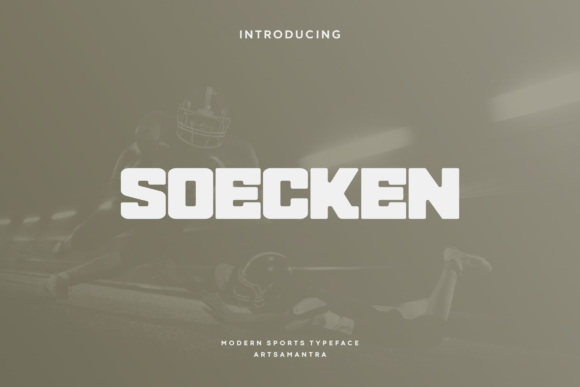
There's a reason certain designs stop you mid-scroll. A fitness brand's Instagram post that feels genuinely powerful. A sports team logo that radiates energy before you even read the name. A poster for a local marathon that makes you want to lace up your running shoes right now. Behind many of these visual moments sits a typeface choice that works harder than most people realize. Soecken is that kind of font, built in all caps, designed with sports and high-energy projects in mind, and capable of injecting real visual momentum into nearly anything you create.
What makes it different from the hundreds of other bold display fonts floating around? It comes down to personality. Soecken doesn't try to be everything. It leans into strength, urgency, and presence. The letterforms carry weight without feeling clunky. The all-caps construction gives every word a sense of authority. And the overall aesthetic walks a useful line between athletic and modern, which means it works far beyond the gym or the playing field.
Where This Font Actually Shines in Real Projects
Let's get specific. You're designing a logo for a new activewear startup. You need something that communicates performance and confidence without looking like every other fitness brand on the market. Soecken gives you that foundation. Its bold geometry reads clearly at small sizes on product tags and at massive scales on storefront signage. That kind of versatility matters more than most people think, especially when a brand identity needs to live across packaging, social media graphics, a website, and printed marketing materials all at once.
Or maybe you're a content creator putting together a YouTube thumbnail for a workout video. The thumbnail needs to pop in a sea of competing content. Soecken's all-caps structure and strong visual weight handle that job naturally. The text becomes a design element in its own right, not just information sitting on top of an image. The same principle applies to podcast cover art, digital product headers, and event posters.
Here's a practical breakdown of projects where this typeface earns its place in your design assets library:
- Logo design for sports teams, fitness brands, outdoor adventure companies, and athletic events
- Packaging design for energy drinks, protein supplements, sports equipment, and active lifestyle products
- Social media graphics including Instagram stories, Facebook headers, TikTok thumbnails, and Pinterest pins
- Print materials such as gym brochures, tournament programs, race bibs, and promotional flyers
- Merchandise like t-shirts, hats, water bottles, and gym bags where bold typography drives appeal
- Editorial layouts for sports magazines, fitness blogs, and health-focused newsletters
- Invitations and announcements for sporting events, charity runs, and team celebrations
- Website headers and hero sections where a strong typographic statement sets the tone immediately
That list isn't exhaustive, but it illustrates something important: a well-crafted display font like Soecken isn't a one-trick pony. Its visual character adapts to context while maintaining a consistent feeling of energy and strength.
Building Brand Recognition Through Typography Choices
Every brand makes hundreds of small visual decisions that either reinforce or dilute its identity. Typography sits near the top of that hierarchy. When someone sees your logo, your social post, or your product packaging, the font you chose communicates something before a single word is read. Soecken communicates power, action, and modern confidence. If those qualities align with your brand identity, using this typeface consistently across touchpoints builds recognition faster than you might expect.
Think about how major sports brands use typography. Nike's custom fonts feel fast and forward-leaning. Under Armour's lettering feels industrial and strong. The typeface becomes shorthand for the brand's personality. You can apply that same thinking on a smaller scale. A local CrossFit box, a personal trainer's brand, a weekend running club, or a sports blog can all benefit from choosing a typeface that carries the right emotional weight and sticking with it.
Visual consistency across platforms is easier when you select a premium font that includes multiple styles and weights. Check what's included in the Soecken package before you start designing. Knowing whether you have access to alternates, ligatures, or stylistic variations helps you plan your layouts more effectively and avoid mid-project surprises. A font that offers these extras gives you creative flexibility without sacrificing the cohesive look your brand needs.
Pairing Soecken with Other Fonts for Balanced Designs
Here's where practical design knowledge matters. Soecken is an all-caps display typeface. That means it's built for headlines, titles, logos, and short bursts of impactful text. It's not designed for body copy. Trying to set a full paragraph in an all-caps bold display font creates readability problems that frustrate your audience and undermine your message.
The solution is thoughtful font pairing. You need a complementary typeface for longer text, subheadings, and supporting information. Here are a few approaches that work well:
- Pair with a clean sans serif font for body text. Something like a neutral, modern sans serif gives your layout breathing room while letting Soecken own the spotlight on headlines. This combination works especially well for websites, blogs, and digital products.
- Combine with a simple serif font for editorial projects. If you're designing a sports magazine layout or a printed brochure, a classic serif typeface for body copy creates a professional contrast that feels polished and intentional.
- Use alongside a script or handwritten font sparingly. A casual script font can add personality to secondary elements like quotes, callouts, or taglines, while Soecken handles the heavy lifting on primary text.
The key principle is contrast without conflict. Your body text font should feel like it belongs in the same design family but serves a completely different function. Test your pairings on screen and in print before committing. What looks balanced on a large monitor might feel crowded on a mobile screen, and digital designs behave differently than printed pieces.
Readability, Licensing, and Getting the Most from Your Investment
Readability deserves more attention than it typically gets, especially with bold display fonts. Soecken's all-caps construction works brilliantly at larger sizes for headlines, logos, and poster titles. But context matters. If you're using it for a website hero section, make sure the text size is large enough that the letterforms remain distinct. On smaller screens, all-caps text can start to feel dense. Adjusting letter spacing slightly often solves this problem without compromising the font's visual impact.
Color contrast is another practical consideration. Bold fonts look stunning in high-contrast color combinations: white text on dark backgrounds, bright colors against neutral tones, or monochromatic schemes with varying shades. But always verify that your text remains legible across different devices and lighting conditions. A poster viewed in bright sunlight needs different contrast treatment than a social media graphic viewed on a phone screen.
Before downloading any font, understand the licensing terms. If you're using Soecken for a commercial project, a client's brand identity, merchandise for sale, or marketing materials that generate revenue, make sure the license covers commercial use. Many premium fonts offer different license tiers depending on usage scope. Reading the fine print upfront saves headaches later, especially if a project scales beyond its original scope.
One final thought on making this font work for you: don't treat it as a default choice for every project. Soecken has a distinct personality that serves specific creative goals exceptionally well. When your project calls for bold, athletic, high-energy typography, it delivers. When your project needs quiet elegance or delicate refinement, a different typeface is the better tool. Understanding when to use a font matters just as much as knowing how to use it. That judgment separates designs that feel intentional from designs that feel generic.
Add Soecken to your creative toolkit with a clear sense of what it does best. Use it where its strengths align with your project's goals. Pair it thoughtfully with complementary typefaces. Test your layouts across formats and devices. And let the font do what it was built to do, make your designs impossible to ignore.