Chapman House: Conjuring Worlds with Medieval Letterforms
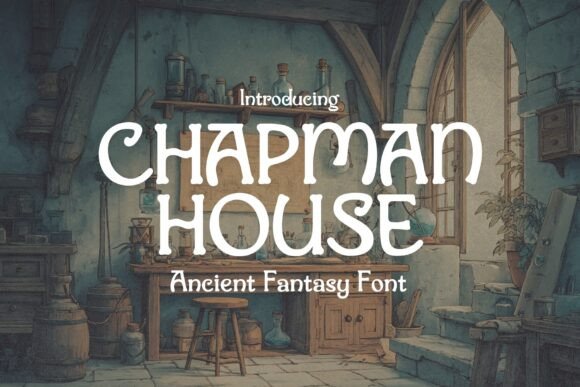
There's a particular kind of magic that happens when typography does more than just convey words—when it transports you. Chapman House is that rare display font that doesn't sit quietly on the page. It announces itself with the weight of ancient parchment and the flicker of torchlight, pulling viewers into a narrative before they've even read a single word. If you've ever wanted your designs to feel like they were plucked from a dusty archive in a forgotten castle or printed by the hand of a royal scribe, this typeface understands the assignment.
But let's be clear: this isn't about nostalgia for nostalgia's sake. Chapman House is a medieval-inspired serif font built for modern creators who need their work to stand apart in crowded marketplaces, saturated social feeds, and competitive publishing landscapes. Its letterforms carry the elegance of calligraphic tradition while remaining surprisingly versatile across contemporary applications. That combination—historical gravitas meeting present-day usability—is what makes it worth a closer look.
A Typeface with Character and Backbone
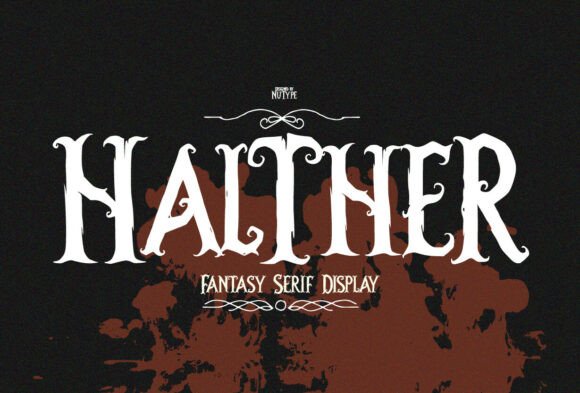
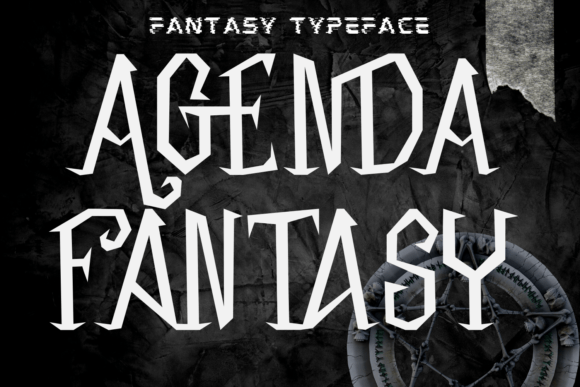
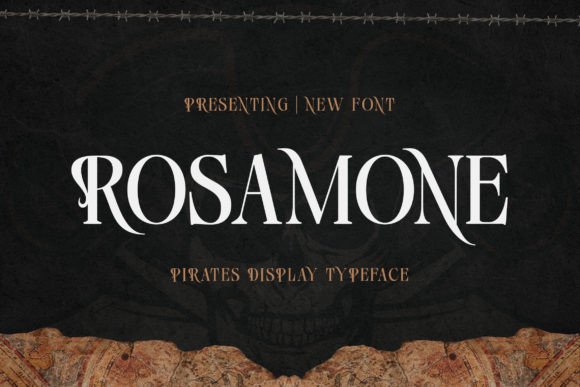
What strikes you first about Chapman House is its personality. The serifs are pronounced but not heavy-handed. The curves have a hand-lettered quality that avoids feeling fussy or overwrought. Each character seems to carry a story in its strokes—the kind of detail you'd expect from a premium font crafted with intention rather than algorithm. There's a rhythm to the letter spacing that gives body text an almost chant-like cadence, while headlines feel like proclamations etched in stone.
This isn't a typeface that whispers. It speaks with authority, which makes it particularly well-suited for projects where you need to establish mood immediately. Think about the first time someone encounters your brand on a product label, a book cover, or a website hero section. Chapman House doesn't just introduce your name—it sets a scene. That emotional shorthand is invaluable for anyone working in visual communication, whether you're a freelance designer pitching a concept or a small business owner building a brand from scratch.
Where This Font Truly Shines
The practical applications for a typeface like this are broader than you might initially assume. Yes, it's a natural fit for fantasy novel covers, tabletop game packaging, and RPG interfaces. But its utility extends well beyond genre-specific work.
Consider craft beverage branding—a meadery, a specialty tea company, or a microbrewery with a storytelling angle. Chapman House on a label immediately signals craftsmanship, heritage, and attention to detail. The same logic applies to artisan food products, handmade goods on platforms like Etsy, or any brand that wants to evoke a sense of tradition without looking dated.
For editorial design, the font works beautifully as a drop cap treatment or chapter title in magazine layouts, particularly for publications covering history, travel, culture, or lifestyle topics with a narrative bent. Bloggers who write about mythology, folklore, or even culinary history could use it for headers and pull quotes that give their content visual distinction.
Event invitations are another sweet spot. Renaissance fairs, themed weddings, murder mystery dinners, theatrical productions—any occasion that asks guests to step into a different world benefits from typography that sets the tone before the envelope is even opened. Pair it with textured paper stock and you've got an invitation that feels like a prop from the event itself.
On the digital side, Chapman House brings personality to social media graphics without sacrificing legibility at smaller sizes. It's bold enough to stop a scroll on Instagram or Pinterest, and its distinctive silhouette makes it recognizable even in a thumbnail. For YouTube thumbnails, podcast artwork, or Twitch stream overlays, it adds a layer of visual storytelling that generic sans serif fonts simply can't provide.
Making It Work in Practice
A font this expressive demands thoughtful implementation. Here's where some practical strategy comes in.
Pairing is everything. Chapman House carries a lot of visual energy, so it benefits from a grounded companion. A clean sans serif for body copy—something like a modern grotesque or a geometric sans—creates a satisfying contrast. The medieval display font handles headlines, titles, and accent moments while the secondary typeface does the heavy lifting for paragraphs and interface text. This pairing approach keeps your designs from feeling one-note while maintaining a cohesive visual identity.
Context matters more than personal taste. Just because you love the font doesn't mean it's right for every project. If your audience expects clinical minimalism, Chapman House will feel out of place. But if your brand narrative involves craftsmanship, adventure, history, mystery, or storytelling, it's a powerful tool. Before committing, ask yourself: does this typeface reinforce the story I'm telling, or does it distract from it?
Test at multiple sizes. Display fonts can behave differently depending on scale. What looks magnificent at 72 pixels might lose definition at 14. Print a sample. View it on a phone screen. Check how it renders on different backgrounds. This kind of testing separates professional-looking work from designs that feel like afterthoughts.
Don't overuse it. The instinct with a typeface this striking is to put it everywhere. Resist. When every element is shouting, nothing gets heard. Use Chapman House strategically—as the headline voice, the accent, the visual anchor—and let supporting elements do their job quietly.
Beyond Aesthetics: Building Brand Recognition
There's a business case for choosing distinctive typography, and it goes deeper than looking nice. When your visual identity is consistent and memorable, people recognize you faster. They remember you. They associate your aesthetic with a certain quality or experience. That's brand recognition, and typography is one of its most fundamental building blocks.
Chapman House, used consistently across your packaging, website, social presence, and print materials, creates a visual thread that ties everything together. A customer who sees your product on a shelf should be able to connect it to your Instagram post they scrolled past last week. That kind of cohesion doesn't happen by accident—it happens when you make deliberate choices about your design assets and stick with them.
For entrepreneurs and creators building a brand identity from the ground up, this kind of intentional typography choice is a shortcut to looking established. It signals that you've thought about your presentation, that you care about details, and that your brand has a point of view. Those signals matter to customers, collaborators, and anyone evaluating whether to take your work seriously.
Final Thoughts for the Creative Explorer
Choosing a typeface is ultimately a creative decision, but it's also a strategic one. Chapman House isn't trying to be everything to everyone—it's a specialized tool with a clear point of view. If your work lives in the space where storytelling meets visual craft, where atmosphere and authenticity matter as much as clarity, then this medieval-inspired serif deserves a spot in your font library.
The best creative choices are the ones that feel inevitable in hindsight. When someone looks at your design and thinks, "Of course that's the font they used," you've done something right. Chapman House has the kind of unmistakable character that makes that reaction possible. Whether you're building a brand, designing a cover, crafting an invitation, or creating a digital experience that demands attention, it gives you the visual vocabulary to do it with conviction.
Explore its full range of styles, experiment with pairings, and let it earn its place in your workflow through real projects rather than assumptions. The worlds you're building deserve typography that rises to the occasion.