Demon Crown: Command Attention with Unholy Typography
There are fonts that sit quietly on a page, and then there are fonts that seize you by the collar and demand your full attention. If you're building a brand that thrives on intensity, power, and a touch of the macabre, you need a typeface that doesn't just communicate words—it broadcasts an attitude. Enter a font that feels less like a digital file and more like a weapon, a visual force forged in darkness and designed for those who refuse to blend in. This isn't about subtle elegance; it's about brutal, commanding presence.
A Typeface Forged in Darkness and Power
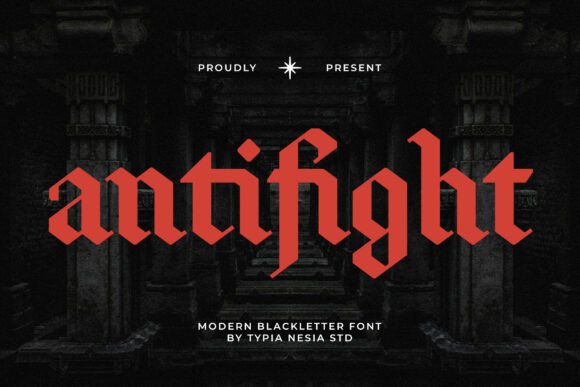
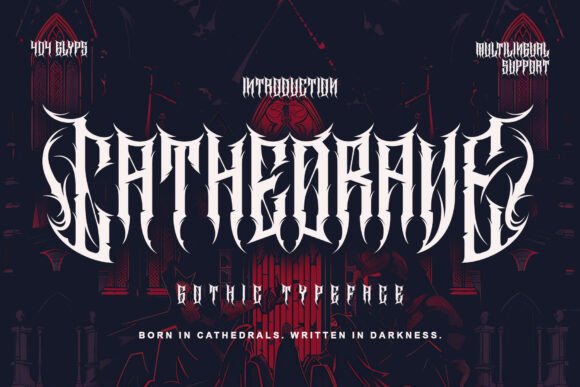
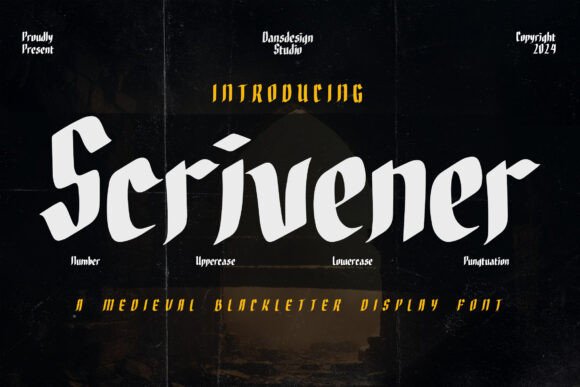
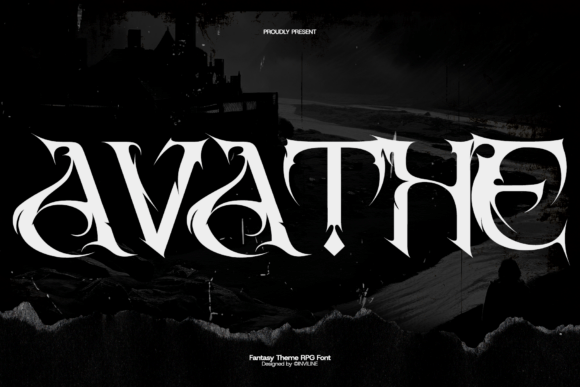
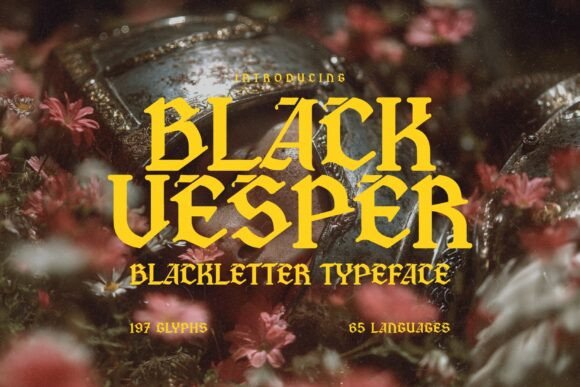
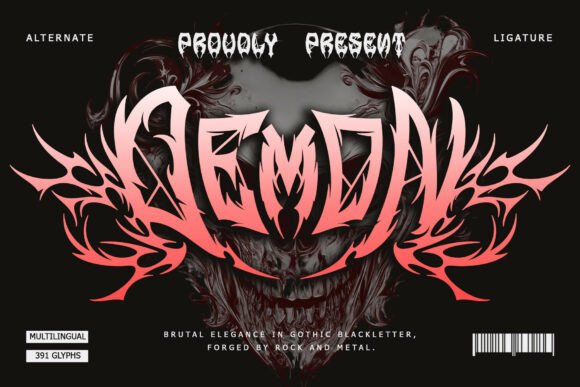
At its core, this is an extreme gothic blackletter display font. Think of the intricate, sharp strokes of medieval manuscripts, but amplified with aggressive curves and a symmetrical, almost architectural authority. Every letter feels deliberate, weighted with a sense of ritual and raw energy. It draws inspiration from the shadowy arches of cathedrals, the raw power of metal culture, and the enigmatic pull of occult symbolism. The result is a typeface that embodies domination and chaos in equal measure, transforming ordinary text into a visual statement that is impossible to ignore.
What makes it visually striking is its uncompromising character. The razor-sharp terminals and bold, condensed forms create a dense, powerful texture on the page or screen. It's a premium font designed for impact, where legibility at a distance is prioritized over quiet reading. This isn't your typical serif font for body copy or a friendly sans serif font for user interfaces. It's a specialist, a creative font built for moments where your design needs to roar.
Where Brutal Elegance Meets Real-World Design
The true value of a typeface like this lies in its application. It's a versatile tool for specific, high-impact projects across various industries. Consider its role in logo design for a band, a craft brewery with a dark aesthetic, or a gaming studio. The font's inherent drama instantly communicates a brand identity rooted in strength, mystery, and intensity. It sets the tone before a single word of copy is read.
Beyond logos, its applications are vast and practical:
- Editorial & Packaging Design: Use it for headlines on magazine covers, event posters, or album art. On packaging, particularly for products like specialty coffee, artisanal spirits, or dark-themed merchandise, it can create shelf appeal that speaks directly to a niche audience.
- Digital Presence & Marketing: In the realm of web design and social media graphics, a bold headline set in this font can stop the scroll. It's perfect for hero sections on websites, YouTube thumbnails, or promotional graphics for events like Halloween sales, metal concerts, or fantasy game launches.
- Physical Products & Invitations: Imagine the impact on merchandise—T-shirts, posters, and stickers—where the typography itself becomes the artwork. For invitations to themed events, costume parties, or even a dramatic wedding, it sets an unforgettable mood.
When integrated thoughtfully, it enhances visual consistency and brand recognition. A brand that uses this typeface for all its key messaging creates a cohesive, powerful aesthetic that its audience will instantly associate with its core identity.
Mastering the Art of Font Pairing and Readability
Using a display font of this magnitude requires a strategic approach. The key is contrast and context. You would never set a paragraph of body text in this blackletter style; its power would become noise. Instead, pair it with a highly readable, neutral font. A clean sans serif font or a simple, modern serif font makes an excellent companion. The display font handles the emotional, attention-grabbing headlines, while the paired font delivers the supporting information with clarity.
Readability is paramount. Test the font at the size you intend to use it. While it's designed for impact, certain decorative elements may merge at very small sizes. For best results, reserve it for large-scale applications: headers, logos, and single-word call-outs. Always consider your audience's context—will they be viewing a poster from ten feet away or a social media graphic on a small phone screen? Adjust sizing and spacing accordingly.
Furthermore, a quality creative font like this often includes more than just the basic alphabet. Look for stylistic alternates, ligatures, and decorative elements that can add unique flair to specific letters. With PUA encoding included, accessing these special characters is straightforward, allowing for greater customization without needing advanced design software.
Aligning Typography with Project Goals and Licensing
Choosing the right font style is a branding decision. Ask yourself: does this typeface align with the personality of my project? If your goal is to evoke tradition, mystery, and formidable strength, then this blackletter style is a perfect match. If your project calls for approachability or minimalist modernity, you would look elsewhere. The font must serve the story you're trying to tell.
Before finalizing any design, always review the full character set and any included font styles (like bold or italic variations, if available). Ensure it has all the glyphs you need for your language and content. Finally, a crucial practical step: understand the commercial licensing. For any project that will be sold, monetized, or used for client work, verify that the font license permits such use. This due diligence protects your project and respects the creator's work.
In the end, typography is one of the most powerful tools in a designer's or entrepreneur's arsenal. A font like Demon Crown isn't for every project, but for the right one, it becomes the cornerstone of a compelling visual identity. It offers a way to inject raw, unholy strength into your work, ensuring that every word doesn't just sit there—it stands crowned in darkness, demanding to be seen.