Monogram Handwriting: A Font That Brings Personality to Your Projects
There’s a certain magic in the way a handwritten note feels personal, immediate, and full of character. In a digital landscape often dominated by clean, impersonal sans-serifs, a font that captures that authentic, human touch can be a game-changer. Monogram Handwriting is precisely that kind of asset—a fun, quirky, and surprisingly versatile typeface that injects instant personality into any design. It’s more than just a script font; it’s a tool for creating connections, telling stories, and making your work stand out with a distinctive, approachable vibe.
The Visual Allure of a Handcrafted Style
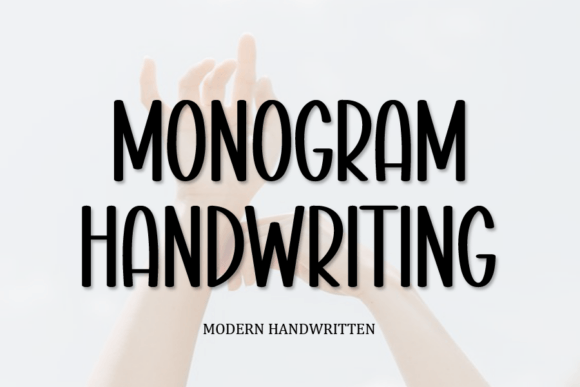
What sets this creative font apart is its balanced imperfection. The letterforms have the natural flow and slight irregularity of real penmanship, avoiding the sterile perfection of many digital fonts. This gives it an authentic, artisanal quality that feels both modern and timeless. The strokes are confident yet relaxed, making it highly legible for a handwritten font—a common challenge with script typefaces. Whether used for a bold headline or a delicate accent, it maintains clarity while delivering a strong emotional punch. It’s a premium font that feels personal, not pretentious.
From Logotypes to Social Feeds: Where It Truly Shines
The true strength of a versatile display font like this lies in its wide range of applications. Think beyond just one-off projects. For a small business owner crafting a brand identity, Monogram Handwriting can become the cornerstone of a memorable logo, setting a friendly and creative tone from the first glance. Extend that personality to packaging design, where it can make a product on a shelf feel thoughtfully curated. Content creators and social media managers will find it invaluable for generating engaging Instagram graphics, YouTube thumbnails, or website banners that stop the scroll.
Its utility extends seamlessly into print and editorial design. Imagine it gracing the cover of a boutique magazine, adding flair to poster layouts for local events, or giving wedding invitations and stationery a bespoke, elegant feel. For entrepreneurs developing digital products—like e-books, planners, or online courses—this font can help establish a cohesive and professional presentation that enhances perceived value. It’s a true workhorse in a designer’s toolkit, adaptable to both large-scale branding and intimate personal projects.
Strategic Font Pairing for Maximum Impact
While Monogram Handwriting is a star on its own, its effectiveness multiplies when used strategically with other typefaces. A key principle of modern typography is contrast. Pair this expressive script with a clean, geometric sans-serif for body text to ensure readability and create a dynamic visual hierarchy. For example, use Monogram Handwriting for a website headline or a logo mark, and let a font like Montserrat or Lato handle the paragraphs. This pairing allows the personality of the handwritten font to capture attention without overwhelming the viewer.
Conversely, for a more classic or sophisticated editorial layout, you might pair it with a sturdy serif font. The key is to test your font pairings in context. Mock up a social media post, a business card, or a webpage layout. Does the combination feel harmonious? Does the handwritten element enhance the message or distract from it? Always prioritize the project's goal—whether it's to convey whimsy, elegance, or approachability—and choose your supporting typography accordingly.
Practical Tips for Using Handwritten Fonts Effectively
Adopting a font with such a strong character requires a bit of thoughtful execution. First, consider readability at scale. While Monogram Handwriting is designed for clarity, it’s best suited for headlines, logos, pull quotes, and short phrases rather than long blocks of body copy. Reserve its use for elements where you want to make a strong visual statement.
Second, explore the full range of the font package. Many premium fonts include alternate characters, ligatures, or multiple styles (like a bold or light version). These extras are gold for customizing your designs and avoiding a generic look. Swapping out a few letters can make a logotype or monogram feel entirely unique.
Finally, never overlook licensing. If you’re using the font for commercial projects—client work, merchandise for sale, or branded marketing materials—ensure you have the correct commercial license. Respecting font licensing is a mark of professional integrity and protects both you and the font creator. It’s a simple step that prevents legal headaches down the road.
Building Recognition with a Consistent Voice
Ultimately, typography is a fundamental part of your visual voice. Consistently using a distinctive typeface like Monogram Handwriting across your brand touchpoints—from your website and social media graphics to your invoices and packaging—builds powerful brand recognition. Customers start to associate that specific, friendly style with your business. It becomes a visual shorthand for your brand’s personality, making your communications instantly identifiable in a crowded market.
For the creative entrepreneur, the blogger, or the marketer, investing in a high-quality, versatile design asset like this font is an investment in efficiency and impact. It provides a ready-made solution for elevating designs, saving time on custom lettering, and ensuring a polished, professional look. It’s not about following a trend; it’s about choosing a tool that authentically represents your creative vision and helps you communicate more effectively with your audience. In the end, the right font doesn’t just look good—it feels right, and that feeling is what resonates.