Gozaru: The Hand-Drawn Brush Font with Bold Personality
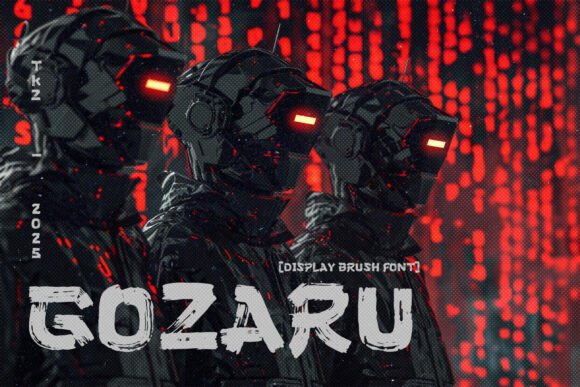
There’s something magnetic about a typeface that looks like it was created with actual ink and a real brush. In a sea of polished, digitally perfect fonts, Gozaru stands out because it embraces imperfection. This hand-drawn brush font combines raw texture with surprisingly strong legibility, giving your projects an instant sense of energy and authenticity. Whether you’re designing a movie poster, crafting a brand identity, or creating merchandise that needs to pop, this typeface delivers character without sacrificing clarity.
What makes Gozaru particularly interesting is how it balances two seemingly contradictory qualities. The strokes feel grungy and playful—like someone grabbed a thick marker and went to work—yet the letterforms maintain a bold structure that holds up at various sizes. You get that hand-crafted vibe that so many brands crave today, but without the readability headaches that often come with heavily stylized fonts.
Where This Creative Font Truly Shines
Think about the last time a piece of design caught your eye. Chances are, the typography played a significant role. Gozaru works exceptionally well in contexts where you need to make a statement quickly. Movie titles, game covers, event posters—these are spaces where a display font with personality can make or break the entire composition. The textured stroke design adds depth that flat, clean fonts simply can’t replicate.
For small business owners building a brand from scratch, this typeface offers a practical shortcut to visual distinctiveness. Imagine a craft brewery using Gozaru on its labels, or a streetwear brand incorporating it into logo design. The font communicates a specific mood—edgy, confident, slightly rebellious—without requiring additional design elements to do the heavy lifting. That’s the power of choosing the right typeface early in your creative process.
Here are some practical applications where this brush font excels:
- Logo design for brands targeting younger, design-conscious audiences
- Packaging design for artisan products, specialty foods, or lifestyle goods
- Social media graphics that need to stop the scroll and grab attention
- Book covers in genres like thriller, urban fiction, or graphic novels
- Merchandise including t-shirts, tote bags, stickers, and posters
- Event invitations for launches, parties, or creative industry gatherings
- Website headers and hero sections where impact matters most
- Blog graphics and editorial layouts that benefit from visual variety
Pairing Gozaru with Other Typefaces
No font exists in isolation, and that’s especially true with a character-rich option like this one. The key to successful font pairing is contrast. Because Gozaru brings so much texture and personality, you’ll want to balance it with something cleaner and more understated for body text. A simple sans serif font works beautifully here—think of it as the reliable friend who lets the star of the show take center stage.
For a cohesive brand identity, consider how your primary display font and secondary text font communicate together. Gozaru handles headlines, titles, and call-to-action text with ease. Pair it with a legible sans serif or even a classic serif font for longer paragraphs, product descriptions, or supporting copy. The contrast between the hand-drawn brush strokes and clean geometric letterforms creates visual interest while maintaining professional presentation.
A few pairing strategies worth testing:
- Gozaru + Clean sans serif for modern, urban-leaning brands
- Gozaru + Traditional serif for editorial layouts with an unexpected twist
- Gozaru + Monospace font for tech-adjacent or gaming-inspired projects
- Gozaru + Simple script font for invitations or event materials
Always test your pairings in context. Mock up a business card, a social media post, and a website header before committing. What looks great in a font preview might feel overwhelming once you add images, color, and actual content.
Readability Considerations for Real Projects
One common concern with hand-drawn and grungy fonts is whether people can actually read them. This is a legitimate worry, and it’s where Gozaru performs better than many alternatives in its category. The bold letterforms and thoughtful spacing mean that even at smaller sizes, the text remains legible. That said, context matters enormously.
For digital products and web design, use this typeface strategically. It works brilliantly for headings, navigation labels, and featured quotes, but you probably don’t want it for your entire paragraph text. The textured strokes that make it visually captivating at large sizes can become visual noise when readers are trying to absorb longer passages of information.
In print materials, consider the production quality. The brush texture in Gozaru looks fantastic on high-quality paper stock where fine details reproduce well. For lower-resolution printing—think photocopied flyers or thermal receipt printing—opt for a bolder weight or increase the size to preserve the font’s character without losing definition.
Building Visual Consistency Across Touchpoints
One of the most overlooked aspects of typography in branding is consistency. When you choose a premium font like Gozaru for your primary display typeface, you’re making a commitment to a specific visual language. That commitment should extend across every customer touchpoint—from your website to your email headers, from your packaging to your social media templates.
This is where having a well-designed typeface pays dividends over time. Gozaru’s distinctive look becomes part of your brand recognition toolkit. Customers start associating that particular style of lettering with your business. Think about how instantly recognizable certain brand typography has become—the hand-lettered feel of a craft brand, the bold brush strokes of an energy drink, the textured type on a vinyl record sleeve.
For content creators and marketers, this consistency becomes especially powerful in digital spaces. When your Instagram graphics, YouTube thumbnails, and blog post headers all share the same typographic personality, you build a visual thread that ties your content together. Followers begin recognizing your posts before they even read the text. That’s brand identity working at its most fundamental level.
Licensing and Practical Considerations
Before incorporating any commercial font into a project, understand the licensing terms. Most premium fonts come with specific usage rights that vary between desktop licenses, web licenses, and extended commercial licenses. If you’re designing for a client, make sure the license covers their intended use. If you’re a business owner purchasing for your own brand, verify that the license supports merchandise production if you plan to sell physical products featuring the typeface.
Gozaru typically includes multiple font styles or weights, which expands your creative options. Review what’s included in your purchase—bold and regular variations, alternate characters, or additional glyphs can significantly impact how versatile the font proves in practice. Having access to stylistic alternates, for instance, lets you customize the look of specific words or create more varied compositions without switching typefaces.
For designers working across multiple projects, investing in a versatile display font that works across different contexts—from editorial design to packaging to digital marketing assets—often delivers better long-term value than purchasing separate fonts for each project category. The texture and personality in Gozaru make it adaptable enough to serve diverse creative needs while maintaining a recognizable visual signature.
Ultimately, the best way to determine whether any typeface works for your specific project is to experiment. Download a test version if available, mock up your actual content, and see how the font interacts with your color palette, imagery, and layout. Typography decisions deserve that level of attention because they shape how your audience perceives everything else you create.