Panic Mode: The Typeface That Screams Chaos
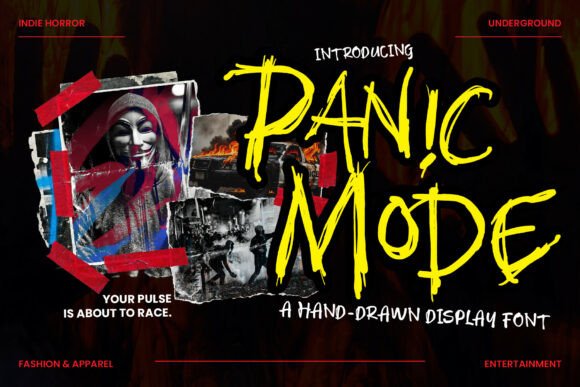
There are moments in design where a polite, well-behaved font simply won't do. You need something that feels like it clawed its way out of a gritty alleyway, something with the raw, unfiltered energy of a live punk show or the frantic scrawl found on a warning note in a horror film. Enter Panic Mode, a hardcore, grungy, hand-drawn display font that doesn't just sit on the page—it attacks it. This isn't about clean lines or gentle curves; it's about injecting pure, unadulterated adrenaline into your visual communication.
Capturing a Vibe, Not Just a Style
At its core, Panic Mode is a study in controlled chaos. Its aesthetic is built on intentionally frenetic scratches, ink splatters, and jagged, uneven edges. Imagine the frantic energy of a midnight street rebellion or the high-stakes tension of an indie horror thriller captured in letterforms. This typeface is meticulously crafted to look messy and hyper-expressive, ensuring your headlines don't just get seen—they get felt. The visual texture is so pronounced it creates a sense of urgency and raw authenticity that polished fonts often lack.
This makes it an incredibly potent tool for specific projects. If you're designing a logo for a streetwear brand that prides itself on being underground and anti-establishment, this font’s gritty character immediately communicates that rebellious spirit. For the cover of a true-crime podcast or a heavy metal album, its aggressive line work sets the perfect ominous tone. It’s a creative font that serves a very particular, powerful purpose: to disrupt and engage on an emotional level.
Where This Aggressive Typeface Truly Shines
Understanding where to deploy such a strong personality font is key to using it effectively. Its strength lies in headlines, titles, and short, impactful statements where maximum visual energy is required. Think of it as a design accent, not the body text. Using it for a full paragraph would likely compromise readability, but for a strategic splash, it’s unmatched.
Consider its application across various creative and commercial projects:
- Branding & Logo Design: Perfect for businesses targeting a niche, edgy audience. A logo using Panic Mode can instantly establish a brand identity that is bold, fearless, and memorable. It works exceptionally well for tattoo parlors, independent record labels, extreme sports gear, and gritty urban cafés.
- Packaging Design: On product packaging, especially for craft beverages, hot sauces, or artisanal snacks with a fiery personality, this font can create shelf presence that pops. It tells the customer this product has attitude before they even try it.
- Marketing & Social Media: In the fast-scroll world of social media, grabbing attention is paramount. Use Panic Mode for Instagram story headers, YouTube video thumbnails, or bold call-to-action text on a website banner. It’s a premium font asset that can stop a thumb mid-scroll.
- Print & Posters: For event posters—think underground music gigs, horror film festivals, or avant-garde art shows—this typeface sets the mood instantly. It’s also ideal for bold editorial layouts in magazines or zines that cover counter-culture topics.
- Merchandise & Invitations: Imagine a band t-shirt or a limited-edition poster with Panic Mode as the star. For digital products like video game interfaces (especially indie horror titles) or even unconventional party invitations for a themed event, it adds a layer of immersive, textured authenticity.
Smart Pairing and Practical Considerations
The real power of a display font like Panic Mode is often unlocked through thoughtful font pairing. Because it’s so visually loud, it needs a counterpart that can provide balance and ensure overall readability. A common and effective strategy is to pair it with a clean, simple sans serif font or a neutral serif font for body text. This contrast allows the headlines to scream while the supporting text remains clear and professional.
For example, pairing it with a geometric sans serif like Montserrat or a humanist sans serif like Lato can create a dynamic hierarchy. The chaos of Panic Mode grabs the eye, and the calm, structured body copy delivers the information. This approach maintains visual consistency across your brand identity while leveraging the font's unique strengths for audience engagement.
Before finalizing, always test your font pairings in context. View them at the size they’ll be used—what looks good on a poster might be overwhelming on a mobile screen. Check the licensing for your intended use, especially for commercial font applications like merchandise or client work, to ensure you have the proper commercial license. Review any included font styles or alternates that might offer subtle variations for your designs.
Making a Statement That Resonates
Ultimately, choosing a typeface like Panic Mode is a strategic decision to communicate a specific brand voice. It’s for the designer, the entrepreneur, or the creator who isn’t afraid to break rules and appeal to an audience that values rawness and intensity. It helps improve brand recognition by being utterly distinctive—once seen, it’s hard to forget.
It’s a tool for professional presentation in niches where "professional" means edgy and authentic, not corporate and sterile. By aligning the font’s chaotic energy with your project’s goals, you create a cohesive and powerful visual narrative. So, when your next project demands a dose of gritty, underground adrenaline, consider letting Panic Mode do the talking. It might just be the missing piece that makes your design truly unforgettable.