Caty Loves Football: A Font That Scores Big in Design
Beyond the Aesthetic: Understanding the Font's Personality
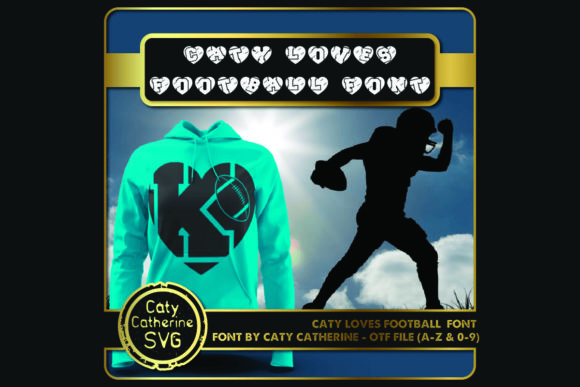
At its core, Caty Loves Football is a display font, meaning it's built for impact rather than long blocks of body text. Its visual character is unmistakable: bold, clean letterforms with a modern edge, accented by unique details that nod directly to the sport. Think of the subtle shaping in certain letters that might mimic a football's laces or the confident, upright stance of the characters that feels ready for action. This isn't a generic sans serif font; it's a typeface with a specific point of view, making it a powerful design asset for the right project.
The key to using a premium font like this effectively is to let its personality do the talking. It shines brightest when used for headlines, logos, and short, punchy phrases where its distinctive style can be fully appreciated. Trying to force it into a role it wasn't designed for, like setting a 500-word blog post, would undermine its strengths and likely hurt readability. Instead, think of it as your star player for specific moments in a design lineup.
Practical Plays: Where This Sporty Font Excels
For a small business owner running a local sports apparel brand, this font could become the cornerstone of their brand identity. Imagine it on hang tags, website headers, and Instagram stories—it immediately communicates the niche without a word of explanation. A content creator covering fantasy football leagues or sports culture could use it for video thumbnails, podcast artwork, and newsletter graphics to create instant visual consistency that their audience learns to recognize.
- Packaging Design: A protein bar or sports drink aiming for a youthful, energetic market could use Caty Loves Football for its logo and flavor names on the box.
- Event Marketing: Creating posters, flyers, and digital tickets for a local charity football game or a sports-themed fundraiser becomes instantly more engaging.
- Digital Products: Designers selling printable planners, wall art, or stickers on Etsy can leverage this creative font to tap into the sports enthusiast market.
- Editorial Layouts: A magazine or blog feature on athlete profiles or game-day recipes could use it for pull quotes and section headers to break up the page and add visual interest.
- Merchandise: From t-shirts and hats to mugs and phone cases, the font's bold nature translates perfectly to physical goods where clarity and style are paramount.
In each case, the font acts as a visual shorthand, helping to improve brand recognition and audience engagement by speaking a language the target audience already understands and loves.
Making the Right Call: Font Pairing and Practical Tips
A common mistake with a strong display font is using it for everything. The secret to a professional presentation is contrast. Pair Caty Loves Football with a clean, neutral sans serif font or even a simple serif font for body text. This creates a visual hierarchy where the sporty font commands attention for headlines, while the supporting type ensures your message remains clear and easy to read. For example, using Caty Loves Football for a blog post title and a font like Open Sans or Lora for the paragraphs creates a balanced, stylish layout.
Before committing, always test the font in your specific context. How does it look at the size you need? Does it maintain its character when printed on textured paper versus appearing on a high-resolution screen? Check the font package for included styles—does it offer a bold or italic version? This can add valuable flexibility to your typography toolkit. Finally, for any commercial project, always verify the licensing. A commercial font license ensures you're legally covered to use the typeface in client work, merchandise for sale, and other for-profit endeavors, protecting both you and your business.
Choosing the right typography is a critical part of visual communication. A font like Caty Loves Football isn't just a set of letters; it's a mood, a context, and a connection to a passionate community. By understanding its strengths and applying it thoughtfully, you can transform standard designs into compelling, on-brand statements that truly resonate.